

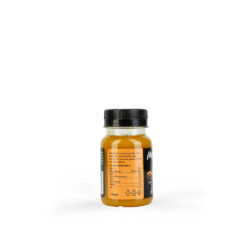
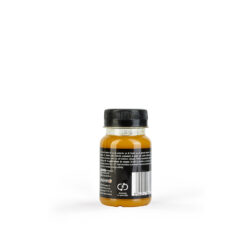
Orange, Lemon, Ginger, Turmeric and Cayenne Pepper Shot - Strenght - Melissimo
-

- Raw
-
- Sugar free
-
- Vegan
95 in stock
10,19lei VAT included
95 in stock
Quantity: 100ml
 PRODUCT IN EU for EUROMELLIS NATURA SRL
An intense shot with a toning and anti-inflammatory effect, ideal for those who want to activate their metabolism. Orange and lemon provide extra vitamin C, ginger and turmeric help fight inflammation and cayenne pepper stimulates circulation and digestion. It's a great way to start the day, especially in the cold season or during periods of chronic fatigue.
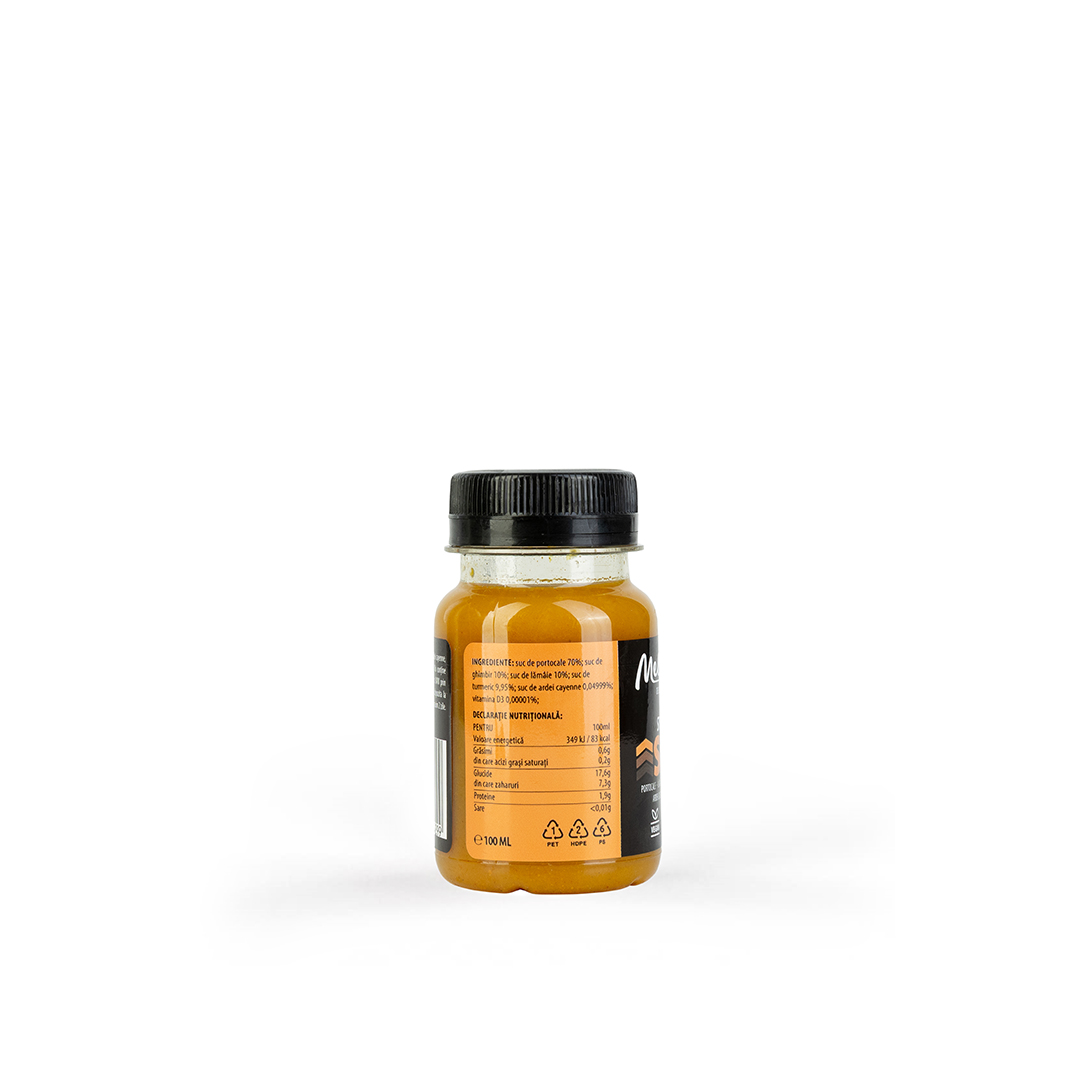
INGREDIENT
Orange juice 70%
Ginger juice 10%
Lemon juice (10%)
Turmeric juice (9,95%)
Cayenne pepper juice (0,04999%)
Vitamin D₃ (0.00001%)
VITAMINS AND NUTRIENTS
Orange juice
Orange juice is obtained from the endocarp of the Citrus sinensis fruit. Orange juice contains a number of powerful antioxidants including flavonoids, carotenoids, vitamin C and folic acid.
Flavonoid
Flavonoids such as hesperidin and naringenin exert an antioxidant effect. Hesperidin is a type of flavonoid with important pharmacological effects such as free radical neutralization and anti-inflammatory effect. Naringenin may have antibacterial, anti-inflammatory, antioxidant, antifibrotic, anticancer, anti-aging, estrogen-like and liver function-protective effects.
Carotenoid
Carotenoids such as xanthophylls, cryptoxantines and carotenes also have important antioxidant activity and may reduce the risk of developing chronic degenerative diseases. Carotenoids may enhance immune response and inhibit mutagenesis. Carotenoids also protect against solar radiation-induced tissue damage.
Vitamin C
Vitamin C is also known as ascorbic acid. It is a water-soluble vitamin that occurs naturally in various fruits and vegetables. The human body cannot synthesize vitamin C endogenously, so it is an essential dietary component obtained exclusively from food. In addition to its function in the biosynthesis of certain compounds and its antioxidant function, vitamin C plays an important role in immune function and improves iron absorption. Vitamin C is required for the biosynthesis of collagen, L-carnitine and certain neurotransmitters and plays an important role in protein metabolism. Vitamin C is a physiologically important antioxidant and has been shown to regenerate other antioxidants in the body, including vitamin E.
Folates (Folic acid)
Folic acid is a water-soluble vitamin of the B vitamin group, also known as vitamin B9. The body uses folates to produce genetic material, for the process of cell division and for the development of red blood cells.
Ginger juice
Phenolic compounds
The phenolic compounds in ginger are mainly gingerols, shogaols and paradols. They show antioxidant activity, antitumor activity, anti-inflammatory and analgesic activity, antimicrobial activity and hepatoprotective activity.
Terpene compounds
There are several terpene components in ginger, such as beta-bisabolen, alpha-curcumen, zingiberen, alpha-farnesen and beta-sesquifelandren, which are considered to be the main constituents of ginger essential oils. They have demonstrated antitumor activity by inducing cell apoptosis.
Flavonoid
The flavonoids in ginger have a powerful antioxidant action.
Lemon juice
Lemon juice contains flavonoids such as hesperidin, carotenoids such as beta-carotene, zeaxanthin and lutein, and vitamin C.
Flavonoid
Citrus flavonoids may help reduce the risk or delay the onset of cardiovascular disease, cancer, osteoporosis, diabetes and neurodegenerative diseases. Hesperidin is a type of flavonoid with important pharmacological effects such as free radical neutralization and anti-inflammatory effect.
Beta-carotene
Beta-carotene is an orange pigment found in certain fruits and vegetables. Beta-carotene is a precursor of vitamin A, which means that in the human body it is converted into vitamin A (retinol). Vitamin A is essential for healthy skin and mucous membranes, a well-functioning immune system and eye health.
Zeaxanthin
Zeaxanthin is a carotenoid that has a number of beneficial effects for human health due to its ability to exert antioxidant effects as well as reduce inflammation. Zeaxanthin has been shown to have protective effects on the eyes by preventing age-related macular degeneration and protecting against UV radiation.
Lutein
Lutein is a carotenoid with anti-inflammatory properties. Lutein has a number of beneficial effects, particularly on eye health, by improving or decreasing the risk of developing age-related macular diseases, which are the main causes of blindness and visual impairment. Lutein may also have positive effects in various conditions, improving cognitive function, lowering the risk of cancer and improving cardiovascular health.
Vitamin C
Vitamin C is also known as ascorbic acid. It is a water-soluble vitamin that occurs naturally in various fruits and vegetables. The human body cannot synthesize vitamin C endogenously, so it is an essential dietary component obtained exclusively from food. In addition to its function in the biosynthesis of certain compounds and its antioxidant properties, vitamin C plays an important role in immune function and improves iron absorption. Vitamin C is required for the biosynthesis of collagen, L-carnitine and certain neurotransmitters and plays an important role in protein metabolism. Vitamin C is a physiologically important antioxidant and has been shown to regenerate other antioxidants in the body, including vitamin E.
Turmeric juice
Turmeric juice contains iron, potassium, vitamin C and manganese. Turmeric also contains important phytochemicals such as curcuminoids.
Iron
Iron is an essential component of hemoglobin, a protein found in red blood cells that transfers oxygen from the lungs to tissues. As a component of myoglobin, another oxygen-supplying protein, iron supports muscle metabolism and connective tissue health. Iron is also necessary for physical and neurological development, cell function and the synthesis of some hormones.
Potassium
Potassium is an important mineral for multiple functions in the human body, including proper functioning of the kidneys and heart, muscle contraction and nerve signal transmission. Potassium is present in all tissues of the body and is necessary for normal cell function due to its role in maintaining intracellular fluid volume.
Mangan
Manganese is a cofactor for many enzymes present in the human body. Through the action of these enzymes, manganese is involved in the metabolism of amino acids, cholesterol, glucose and carbohydrates, the elimination of reactive oxygen species, the formation of bone tissue, and for the immune response. Manganese also plays an important role in blood clotting and hemostasis along with vitamin K.
Vitamin C
Vitamin C is also known as ascorbic acid. It is a water-soluble vitamin that occurs naturally in various fruits and vegetables. The human body cannot synthesize vitamin C endogenously, so it is an essential dietary component obtained exclusively from food. In addition to its function in the biosynthesis of certain compounds and its antioxidant properties, vitamin C plays an important role in immune function and improves iron absorption. Vitamin C is required for the biosynthesis of collagen, L-carnitine and certain neurotransmitters and plays an important role in protein metabolism. Vitamin C is a physiologically important antioxidant and has been shown to regenerate other antioxidants in the body, including vitamin E.
Curcuminoids
Curcuminoids are biologically active compounds in turmeric and are extracted from the rhizomes of the plant. Curcuminoids in turmeric and their derivatives exert a wide range of biological effects, including antioxidant, anti-inflammatory, anticancer, antimicrobial, antimicrobial, neuroprotective, cardioprotective and radioprotective effects.
Cayenne pepper juice
Cayenne peppers contain up to 1,5% capsaicinoids such as capsaicin, carotenoid pigments including capsanthin, alpha- and beta-carotene, steroid glycosides including capsicosides, vitamins A and vitamin C.
Iron
Iron is an essential component of hemoglobin, a protein found in red blood cells that transfers oxygen from the lungs to tissues. As a component of myoglobin, another oxygen-supplying protein, iron supports muscle metabolism and connective tissue health. Iron is also necessary for physical and neurological development, cell function and the synthesis of some hormones.
Capsaicin
Capsaicin is a naturally occurring bioactive phytochemical identified in red peppers and chili peppers, responsible for their hot taste. Capsaicin is a fat-soluble compound that interacts with pain- and heat-sensitive neurons, causing a burning sensation on contact with mucous membranes. Capsaicin has many potential pharmacological benefits for humans, such as treatment of chronic pain syndrome, anticarcinogenic effects, hypoglycemic effect, treatment of hypertension and ischemic heart disease, antimicrobial effects and anti-obesity effects.
Carotenoids
Carotenoids are yellow, orange or red pigments synthesized by plants. Carotenoids commonly found in nature are alpha-carotene, beta-carotene, beta-cryptoxanthin, lutein, zeaxanthin and lycopene. The antioxidant activity of carotenoids is very important and may reduce the risk of developing chronic degenerative diseases.
Vitamin A
Vitamin A is a fat-soluble vitamin that is essential for healthy skin and mucous membranes, a well-functioning immune system and eye health.
Vitamin C
Vitamin C is also known as ascorbic acid. It is a water-soluble vitamin that occurs naturally in various fruits and vegetables. The human body cannot synthesize vitamin C endogenously, so it is an essential dietary component obtained exclusively from food. In addition to its function in the biosynthesis of certain compounds and its antioxidant properties, vitamin C plays an important role in immune function and improves iron absorption. Vitamin C is required for the biosynthesis of collagen, L-carnitine and certain neurotransmitters and plays an important role in protein metabolism. Vitamin C is a physiologically important antioxidant and has been shown to regenerate other antioxidants in the body, including vitamin E.
Vitamin D
Vitamin D is a fat-soluble vitamin that is essential for bone and dental development, the immune system, brain health and the regulation of inflammatory processes in the body. The body produces vitamin D in response to sun exposure.
POSSIBLE BENEFITS
Orange juice
Antioxidant effect
Orange juice is rich in antioxidants, particularly carotenoids, flavonoids and vitamin C. Antioxidants are chemicals that neutralize free radicals. Free radicals are reactive chemicals naturally formed in the body that, at high concentrations, can damage cellular DNA. This can lead to the development of cancer and other chronic health conditions.
Immunostimulant effect
A glass of orange juice provides the daily requirement of vitamin C. It also provides a significant amount of folic acid. Both nutrients are known to support cell development and the immune system. Studies show that a vitamin C deficiency is correlated with impaired immune function and an increased risk of infection. In addition, antioxidants in orange juice may contribute to immune system health.
Anti-inflammatory effect
Maintaining long-term high levels of inflammation is thought to contribute to the development of chronic diseases. Increased markers of inflammation such as C-reactive protein (CRP), interleukin-6 (IL-6) and tumor necrosis factor-a (TNF-a) have been observed in conditions such as metabolic syndrome, heart disease and certain cancers. Some studies suggest that orange juice may reduce inflammation and related markers.
Antilitiazic effect
Orange juice can increase urinary citrate levels and pH levels, which can help protect against the formation of kidney stones.
Neuroprotective effect
Higher intake of flavonoid-rich foods, particularly citrus fruits such as orange juice, was associated with lower risk of cognitive decline. Orange juice improved cognitive function and alertness.
Cholesterol-lowering and hypotensive effect
Drinking orange juice has been linked to improved blood pressure and HDL cholesterol (good cholesterol). It is thought that hesperidin, a natural flavonoid in orange juice, may be responsible for the blood pressure-lowering effect.
Ginger juice
Antioxidant effect
Antioxidants are substances that neutralize free radicals and reduce oxidative stress. Ginger contains antioxidant compounds that inhibit lipid oxidation and the pathogenesis of chronic diseases.
Anti-inflammatory effect
Ginger inhibits the synthesis of inflammatory mediators (TNF, interleukins), reducing chronic inflammation associated with cardiovascular, metabolic or autoimmune diseases.
Anti-tumor effect
Compounds in ginger (gingerols, shogaols) regulate tumor suppressor genes and induce apoptosis of cancer cells, with potential in the prevention of some cancers.
Antimicrobial effect
Activates against bacteria (E. coli, Salmonella) and fungi thanks to gingerol and shogaol, useful in digestive or skin infections.
Anti-diabetic effect
It lowers insulin resistance and regulates blood glucose by fighting oxidative stress and inflammation, reducing the risk of diabetic complications.
Neuroprotective effect
Protects the brain through antioxidant and anti-inflammatory mechanisms, improving the risk of neurodegenerative diseases (Alzheimer's, Parkinson's).
Beneficial effect in osteoarthritis
Reduces joint pain and stiffness in patients with osteoarthritis due to its anti-inflammatory action on affected tissues.
Gastroprotective effect
It stimulates gastric mucin secretion, protecting the stomach mucosa from ulceration caused by drugs or alcohol.
Antiemetic effect
Relieves nausea and vomiting (in pregnancy, chemotherapy or motion sickness) by blocking serotonergic receptors.
Hepatoprotective effect
Protects the liver from toxins and drugs, reducing liver inflammation and fibrosis in conditions such as cirrhosis or NAFLD*.
Effect on migraine
It reduces the intensity and duration of migraine attacks by inhibiting inflammatory pathways and pain signaling.
Good for your eyes
Prevents diabetic retinopathy and macular degeneration by combating oxidative stress at the retinal level.
Lemon juice
Antioxidant effect
Lemons contain several important natural compounds, including phenolic compounds (mainly flavonoids), vitamins, minerals, dietary fiber, essential oils and carotenoids. The antioxidant effects of lemon juice are mainly associated with its vitamin C and flavonoid content.
Cholesterol-lowering and vasoprotective effect
Plant compounds in lemon such as limonin, hesperidin and diosmin may lower cholesterol levels. Citrus flavonoids may also help reduce the risk of ischemic stroke.
Antilitiazic effect
Citric acid can help prevent kidney stones from forming by increasing urine volume and increasing urine pH, creating a less favorable environment for kidney stones to form.
Anti-anemic effect
Lemons contain a small amount of iron, but prevent anemia by improving iron absorption from plant foods. Non-heme iron found in plants is not as easily absorbed in the gut as heme iron found in meat. Lemon juice, due to its vitamin C content, promotes iron absorption from plant sources.
Beneficial for the digestive system
Lemons contain about 10% carbohydrates, mostly soluble fiber and simple sugars. The main fiber in lemons is pectin, a type of soluble fiber. Soluble fiber can improve gut health and slow the digestion of sugars and starches. These effects can lower blood sugar. Lemon juice with pulp also contains fiber and has these benefits.
Turmeric juice
Cardioprotective effect
Curcumin may help improve endothelial function. Endothelial dysfunction is a major risk factor in the development of heart disease. Endothelial function is involved in blood pressure regulation, blood clotting and many other processes in the body.
Anticarcinogenic effect
Curcumin may help to kill cancer cells, reduce angiogenesis (the growth of new blood vessels in tumors) and reduce metastasis (the spread of cancer). There is also scientific evidence that curcumin may prevent cancer, especially cancers of the digestive system such as colorectal cancer.
Neuroprotective effect
Research suggests that curcumin may help reduce amyloid plaques thought to be responsible for Alzheimer's disease.
Antidepressant effect
Curcumin has shown promise in the management of mood disorders. Its positive effects on the brain include stimulating brain neurotransmitters serotonin and dopamine, reducing inflammation and supporting brain plasticity. Depression is also linked to reduced levels of brain-derived neurotrophic factor and shrinkage of the hippocampus, an area of the brain involved in learning and memory. Curcumin may help increase levels of brain-derived neurotrophic factor.
Antioxidant effect
Curcumin is a powerful antioxidant that can neutralize free radicals and stimulate the action of other antioxidants. The harmful effects of oxidative stress are thought to be one of the causes of ageing and many chronic diseases.
Anti-inflammatory effect
Curcumin found in turmeric can help fight inflammation. Taking curcumin can reduce pain and inflammation in osteoarthritis.
Neuroprotective effect
Curcumin may increase the levels of brain-derived neurotrophic factor and may be effective in delaying many brain diseases and reducing age-related neurological manifestations of brain function. It may also help improve memory and attention. Brain-derived neurotrophic factor plays an important role in the memory process. Many common brain disorders have been linked to low levels of this marker, including depression and Alzheimer's disease.
Cayenne pepper juice
Analgesic effect
Capsaicin from cayenne pepper is a powerful analgesic. When applied topically to the skin, capsaicin can help reduce pain by reducing the concentration of substance P, a chemical messenger of pain. Capsaicin is already used as a topical treatment for certain types of nerve pain.
Thermogenic effect
Capsaicin increases the amount of heat the body produces, stimulating the metabolism and burning more calories.
Beneficial effect on digestion
The capsaicin in cayenne actually stimulates the nerves in the stomach and so can increase the synthesis of digestive juices, which aids digestion. Research shows it may even help prevent the most common type of stomach ulcer, which is caused by the bacteria Helicobacter pylori.
Anti-cancer effect
Although research is still in its early stages, it points to an affinity of capsaicin for tumors and a slowing effect on the growth and spread of cancer cells.
Vitamin D
Good for your bones
Vitamin D promotes calcium absorption and helps maintain adequate serum levels of calcium and phosphorus, which are necessary for healthy bone and tooth development. Vitamin D deficiency in children can cause rickets and in adults it can manifest as osteomalacia. Long-term vitamin D deficiency can also lead to osteoporosis or low bone density, which increases the risk of fractures.
Immunostimulatory and immunomodulatory effect
Vitamin D may reduce the likelihood of developing severe forms of influenza and COVID-19. Low vitamin D levels may also contribute to the development of acute respiratory distress syndrome. People who are deficient in vitamin D may be at increased risk of infections and autoimmune diseases such as rheumatoid arthritis, type 1 diabetes and inflammatory bowel disease. Adequate vitamin D intake can support good immune function and reduce the risk of autoimmune diseases.
Antidepressant effect
Research has shown that vitamin D may play an important role in regulating mood and reducing the risk of depression. Studies suggest that low vitamin D levels are a risk factor for more severe symptoms of fibromyalgia, anxiety and depression.
Anti-obesity effect
Some studies suggest there may be a link between low vitamin D and obesity.
Cardioprotective effect
Low vitamin D levels have been linked to an increased risk of heart diseases such as high blood pressure, heart failure and stroke.
AFFECTIONS
Viral infections
Viral infections are contagious diseases caused by viruses. There are several types of viral infections, including respiratory infections, gastric infections, herpes infections, skin infections and many others. The symptoms of a viral infection will depend on the part of the body affected and the virus contacted. Most viral infections go away on their own, but some infections can become severe and require treatment.
Cardiovascular diseases
Cardiovascular diseases are a group of disorders that affect the heart and blood vessels. They include coronary heart disease, cerebrovascular disease, rheumatic heart disease and other related conditions. Cardiovascular disease is the leading cause of death globally.
Oncologic diseases (cancer)
Cancer is a large group of diseases that can start in almost any organ or tissue of the body when abnormal cells grow out of control and invade adjacent parts or spread to other organs. Cancer is the second leading cause of death globally. Lung, prostate, colorectal, stomach and liver cancers are the most common types of cancer in men, while breast, colorectal, lung, cervical and thyroid cancers are the most common in women.
Hypercholesterolemia and atherosclerosis
Hypercholesterolemia is the term used to define a high level of cholesterol in the blood. Excess cholesterol in the blood forms fatty deposits in the walls of the coronary arteries, the blood vessels that supply blood to the heart. As cholesterol builds up, it causes atherosclerotic plaques to form, which narrow and stiffen the walls of the arteries. This condition is called atherosclerosis. Atherosclerotic plaques can block arteries and limit the amount of oxygen-rich blood that can reach the heart. This increases a person's risk of developing angina pectoris and heart attack.
Liver disease
The term liver disease refers to chronic conditions that affect the liver over time. Viral infections, toxic poisoning and certain metabolic disorders are among the common causes of chronic liver disease. Chronic liver disease progresses in about four stages: hepatitis, liver fibrosis, cirrhosis and eventually liver failure.
Diabetes
Diabetes is a chronic disease that occurs either when the pancreas does not produce enough insulin or when the body cannot use the insulin it does produce efficiently. Insulin is a hormone that regulates blood glucose. Hyperglycaemia is a common effect of uncontrolled diabetes and, over time, leads to serious damage to many systems and organs, especially nerves and blood vessels.
Macular degeneration
Macular degeneration is an eye disease that affects central vision. This eye condition is age-related and occurs mostly in people over the age of 50. Macular degeneration affects the macula, the central part of the retina. The retina is at the back of the eye and controls central vision, while peripheral vision is unaffected.
Nausea
Nausea is an uncomfortable sensation in the back of the throat or in the stomach. It may also be accompanied by dizziness or difficulty swallowing. Nausea is often associated with vomiting but does not always lead to vomiting. Nausea can be a symptom of many different conditions such as gastroenteritis, food poisoning, motion sickness, pregnancy or migraine.
Migraine
A migraine is a severe headache that causes a throbbing-type pain on one side of the head. The headache phase of a migraine usually lasts at least four hours, but can last for several days. Migraine can be aggravated by physical activity, bright light, loud noises, strong odors.
Diabetic retinopathy
Diabetic retinopathy is an eye condition that makes the blood vessels in the retina vulnerable. The early stages of diabetic retinopathy usually do not show any noticeable symptoms. Some people notice problems with reading or distance vision. In the later stages of the disease, blood vessels in the retina begin to bleed into the vitreous and at this point the patient may notice spots in the visual field caused by the bleeding.
Osteoarthritis
Osteoarthritis is a chronic condition that can cause inflammation, pain and stiffness in the joints and adjacent tissues.
Neurodegenerative diseases
Neurodegenerative diseases are diseases that gradually affect and destroy parts of the nervous system, particularly areas of the brain. These diseases usually develop slowly, gradually and the effects and symptoms tend to appear later in life. This term does not refer to just one type of condition, but is a general term that covers several types of disease.
Macular degeneration
Macular degeneration is an eye disease that affects central vision. This eye condition is age-related and occurs mostly in people over the age of 50. Macular degeneration affects the macula, the central part of the retina. The retina is at the back of the eye and controls central vision, while peripheral vision is unaffected.
Anemia
Anemia is described as a quantitative reduction in hemoglobin, hematocrit or erythrocyte count. Patients with anemia usually have symptoms such as lethargy, weakness and fatigue. Severe anemia may present with syncope, shortness of breath and reduced exercise tolerance. Management of patients with this condition.
Astenie
Asthenia is a broad term describing general tiredness and weakness that causes both physical and mental symptoms.
NUTRITIONAL INFORMATION
Per 100 ml:
| Energy value | 349 kJ / 83 kcal |
| Fats | 0,6 g |
| of which saturated fatty acids | 0,2 g |
| Carbohydrates | 17,6 g |
| of which sugars | 7,3 g |
| Protein | 1,9 g |
| Sare | <0,01 g |
Similar products