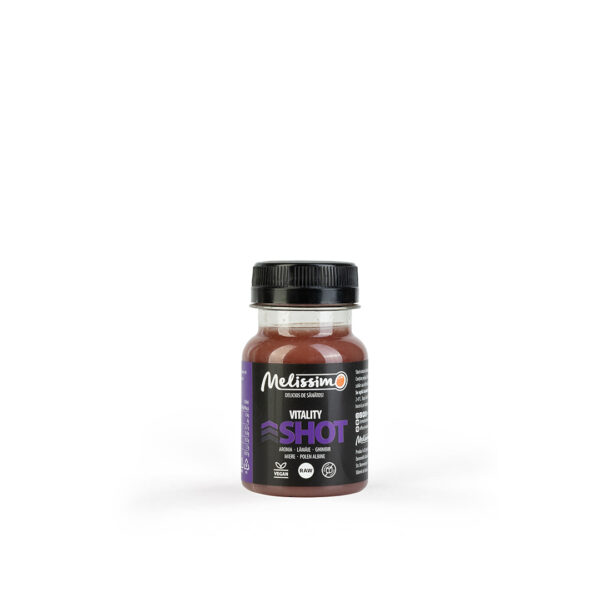
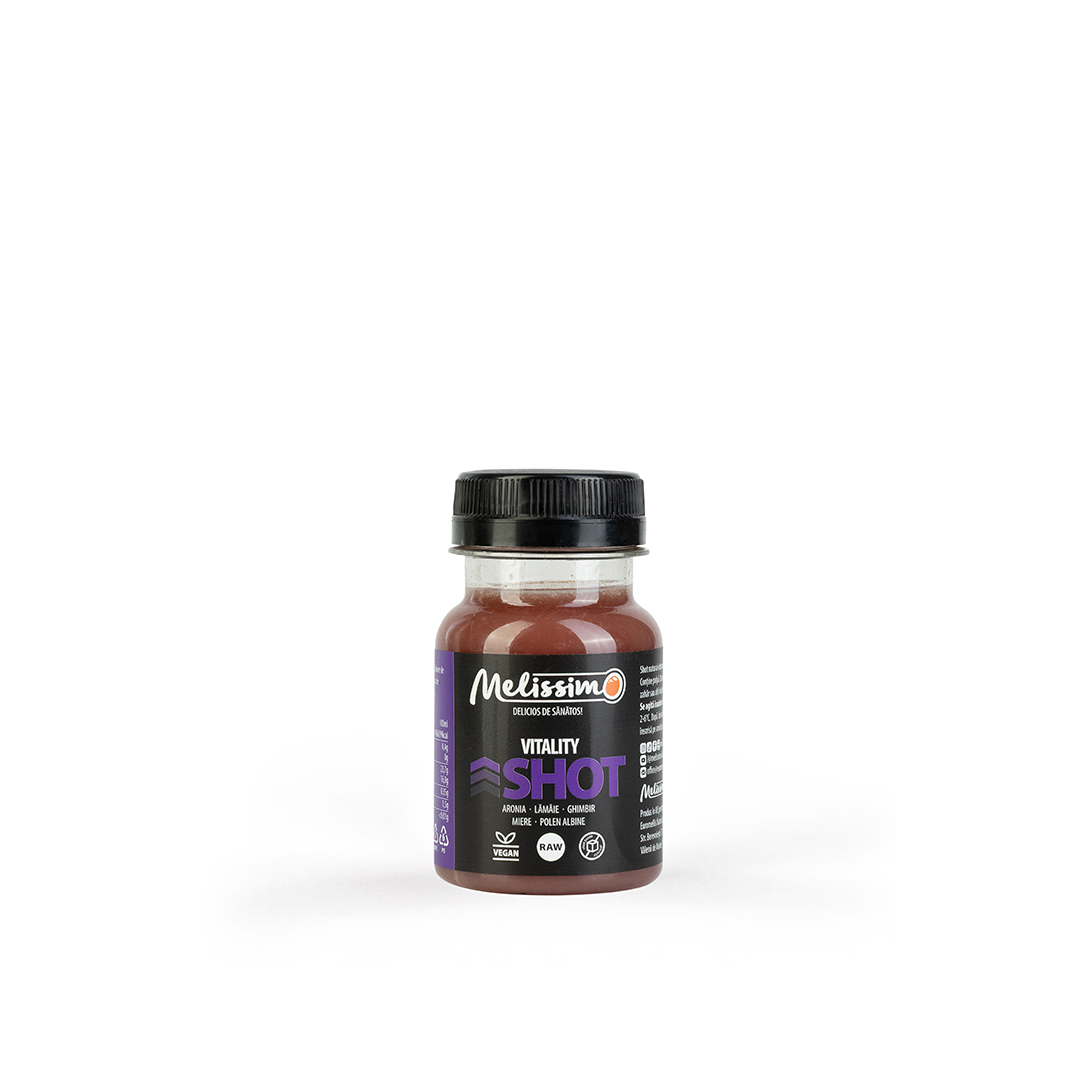
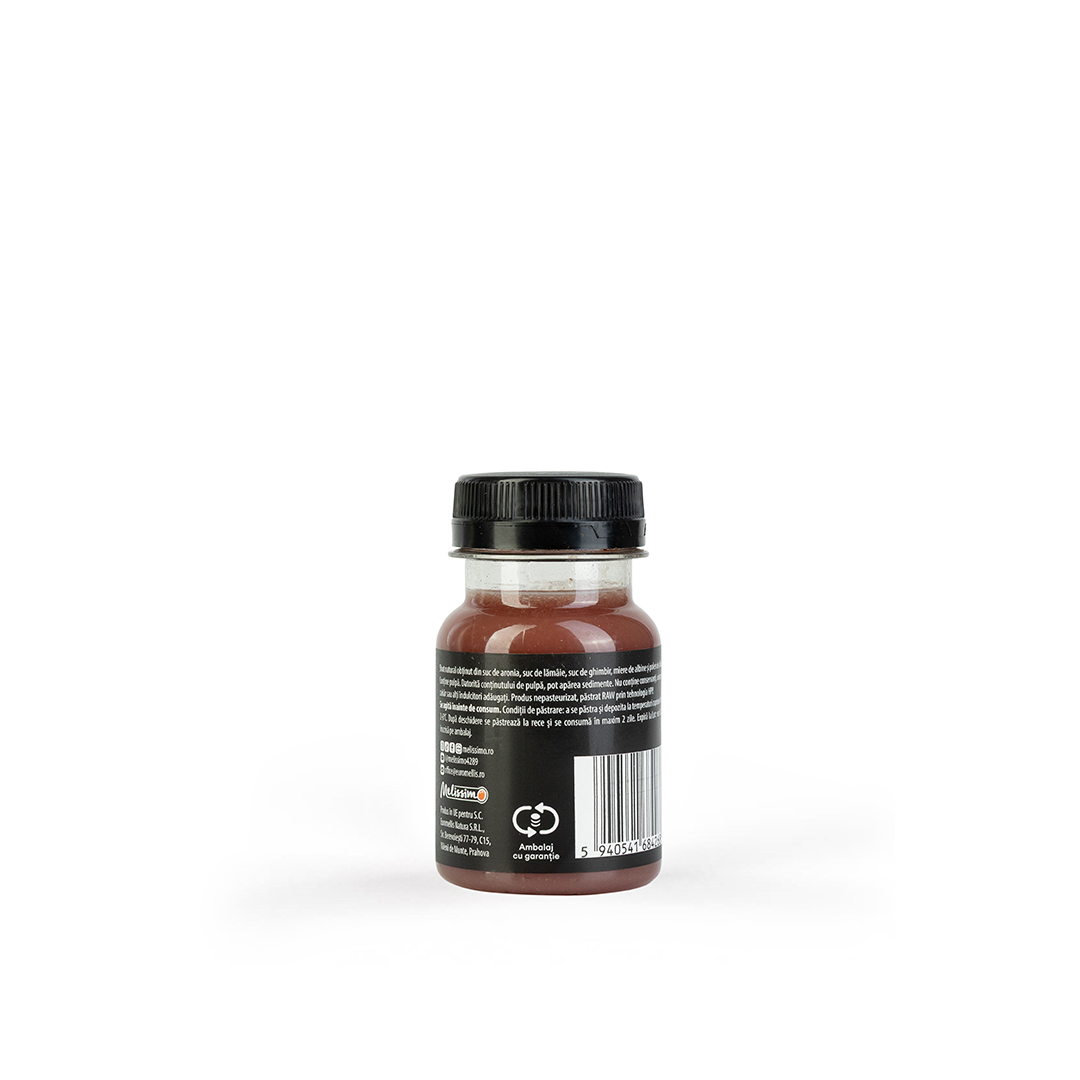

Shot of Aronia, Lemon, Ginger, Honey and Bee Pollen - Vitality - Melissimo
-

- Raw
-
- Sugar free
-
- Vegan
185 in stock
10,19lei VAT included
185 in stock
Quantity: 90ml
A complete and complex shot that combines aronia (rich in antioxidants), lemon (detoxifying), ginger (anti-inflammatory), honey (with antibacterial properties) and bee pollen (a natural source of protein, vitamins and enzymes). It is a functional cocktail to support immunity, reduce inflammation and revitalize the body during demanding periods. Ideal as a natural supplement in strengthening and detoxifying cures.
INGREDIENT
Lemon juice: 63%
Bee honey: 16,2%
Aronia juice: 10%
Ginger juice: 9%
Bee pollen: 1.8%
VITAMINS AND NUTRIENTS
Lemon juice
Lemon juice contains flavonoids such as hesperidin, carotenoids such as beta-carotene, zeaxanthin and lutein, and vitamin C.
Flavonoid
Citrus flavonoids may help reduce the risk or delay the onset of cardiovascular disease, cancer, osteoporosis, diabetes and neurodegenerative diseases. Hesperidin is a type of flavonoid with important pharmacological effects such as free radical neutralization and anti-inflammatory effect.
Beta-carotene
Beta-carotene is an orange pigment found in certain fruits and vegetables. Beta-carotene is a precursor of vitamin A, which means that in the human body it is converted into vitamin A (retinol). Vitamin A is essential for healthy skin and mucous membranes, a well-functioning immune system and eye health.
Zeaxanthin
Zeaxanthin is a carotenoid that has a number of health benefits due to its ability to exert antioxidant effects as well as reduce inflammation. Zeaxanthin has been shown to have protective effects on the eyes by preventing age-related macular degeneration and protecting against UV radiation.
Lutein
Lutein is a carotenoid with anti-inflammatory properties. Lutein has a number of beneficial effects, particularly on eye health, by improving or decreasing the risk of developing age-related macular diseases, which are the main causes of blindness and visual impairment. Lutein may also have positive effects in various conditions, improving cognitive function, lowering the risk of cancer and improving cardiovascular health.
Vitamin C
Vitamin C is also known as ascorbic acid. It is a water-soluble vitamin that occurs naturally in various fruits and vegetables. The human body cannot synthesize vitamin C endogenously, so it is an essential dietary component obtained exclusively from food. In addition to its function in the biosynthesis of certain compounds and its antioxidant properties, vitamin C plays an important role in immune function and improves iron absorption. Vitamin C is required for the biosynthesis of collagen, L-carnitine and certain neurotransmitters and plays an important role in protein metabolism. Vitamin C is a physiologically important antioxidant and has been shown to regenerate other antioxidants in the body, including vitamin E.
Bee honey
Bee honey contains compounds such as proteins, vitamins, amino acids, minerals and organic acids. Pure honey is rich in flavonoids, polyphenols, alkaloids, glycosides, anthraquinones and volatile compounds. Fructose and glucose are the most important sugars in honey and may contribute to the nutritional and physical effects of honey. All water-soluble vitamins exist in honey, vitamin C being the most commonly identified. About 31 minerals have been found in honey, such as phosphorus, sodium, calcium, calcium, potassium, sulphur, magnesium and chlorine. There are also about 600 volatile components in honey that contribute to its potential biomedical effects. Flavonoids and polyphenols, which act as antioxidants, are the main bioactive molecules present in honey. Studies have demonstrated the presence of almost thirty types of polyphenols in honey. The existence and levels of these polyphenols in honey can vary depending on the floral source and climatic and geographical conditions. Honey honey ingredients have antioxidant, antimicrobial, anti-inflammatory, antiproliferative, anticarcinogenic and antimetastatic effects.
Aronia juice
Aronia juice (Aronia melanocarpa L.) contains amino acids, organic acids, sugar alcohols and derivatives, saccharides, polyphenols including anthocyanins, proanthocyanidins, stilbenes, cyclohexanecarboxylic acid, hydroxycinnamic acids and flavonol glycosides. Aronia juice is very rich in phenolic compounds with high antioxidant activity.
Antociani
Anthocyanins are the substances that give fruits and vegetables their purple, blue or red color. Anthocyanins are the main antioxidant compounds in aronia juice. The health benefits of anthocyanins are recognized in the literature, in particular their importance in the prevention of diseases associated with oxidative stress, such as cardiovascular and neurodegenerative diseases.
Ginger juice
Phenolic compounds
The phenolic compounds in ginger are mainly gingerols, shogaols and paradols. They show antioxidant activity, antitumor activity, anti-inflammatory and analgesic activity, antimicrobial activity and hepatoprotective activity.
Terpene compounds
There are several terpene components in ginger, such as beta-bisabolen, alpha-curcumen, zingiberen, alpha-farnesen and beta-sesquifelandren, which are considered to be the main constituents of ginger essential oils. They have demonstrated antitumor activity by inducing cell apoptosis.
Flavonoid
The flavonoids in ginger have a powerful antioxidant action.
Bee pollen
Pollen is a quite varied plant product, rich in biologically active substances. 200 substances have been identified in pollen from different plant species. Pollen contains proteins, amino acids, carbohydrates, lipids and fatty acids, phenolic compounds, enzymes and coenzymes, as well as vitamins and bioelements.
POSSIBLE BENEFITS
Lemon juice
Antioxidant effect
Lemons contain several important natural compounds, including phenolic compounds (mainly flavonoids), vitamins, minerals, dietary fiber, essential oils and carotenoids. The antioxidant effects of lemon juice are mainly associated with its vitamin C and flavonoid content.
Cholesterol-lowering and vasoprotective effect
Plant compounds in lemon such as limonin, hesperidin and diosmin may lower cholesterol levels. Citrus flavonoids may also help reduce the risk of ischemic stroke.
Antilitiazic effect
Citric acid can help prevent kidney stones from forming by increasing urine volume and increasing urine pH, creating a less favorable environment for kidney stones to form.
Anti-anemic effect
Lemons contain a small amount of iron but prevent anemia by improving iron absorption from plant foods. Non-heme iron found in plants is not as easily absorbed in the gut as heme iron found in meat. Lemon juice, thanks to its vitamin C content, promotes iron absorption from plant sources.
Beneficial for the digestive system
Lemons contain about 10% carbohydrates, mostly soluble fiber and simple sugars. The main fiber in lemons is pectin, a type of soluble fiber. Soluble fiber can improve gut health and slow the digestion of sugars and starches. These effects can lower blood sugar. Lemon juice with pulp also contains fiber and has these benefits.
Bee honey
Antioxidant effect
Honey has the ability to act as a dietary antioxidant. Phenolic substances have been shown to be mainly responsible for the antioxidant activity of honey. Antioxidants help to neutralize reactive oxygen species in the body, which can accumulate in cells and have harmful effects. This damage can contribute to conditions such as premature ageing, type 2 diabetes and heart disease.
Antimicrobial effect
Honey can act as a natural antibacterial, antimicrobial and antifungal agent. It contains hydrogen peroxide and glycosidase and has a low pH, which means it can exert an inhibitory effect on bacteria and fungi.
Anti-inflammatory effect
Chronic inflammation can have harmful effects on the body. Honey reduces the body's inflammatory response. The phenolic content in honey is responsible for the anti-inflammatory effect. These phenolic compounds and flavonoids suppress the pro-inflammatory activity of cyclooxygenase-2 and nitric oxide.
Immunostimulatory and immunomodulatory effect
Honey increases the production of T and B lymphocytes, antibodies, eosinophils, neutrophils, monocytes and natural killer cells during primary and secondary immune responses. Consumption of honey leads to the production of short-chain fatty acid fermenting agents (SCFAs). The immunomodulatory actions of SCFAs have been confirmed in studies, therefore honey may induce the immune response via these compounds. Nigero-oligosaccharides, a type of sugars present in honey, have also been found to exert immunostimulatory effects.
Cough suppressant effect
Honey can work as a natural cough suppressant for children over 1 year of age. Due to its antibacterial and anti-inflammatory properties, it is effective in relieving night cough and other common cold symptoms.
Neuroprotective effect
The antioxidant and anti-inflammatory effects of honey may have a beneficial influence on brain health. Raw honey may even have some benefits on cognitive function. It can boost memory function, provide neuroprotective effects and counteract the effects of oxidative stress on the brain, reduce the risk of developing metabolic syndrome, which can increase the risk of neurodegenerative conditions such as Alzheimer's disease, and improve mood and resilience to stress.
Toning and vitaminizing effect
Honey contains specific nutrients that can make it a healthy and beneficial food for a person's diet. The exact nutrient levels and chemical composition of raw honey are influenced by the types of flowers from which bees collect nectar. But in general, honey contains health-promoting substances such as antioxidants, amino acids and vitamins.
Beneficial for the digestive system
Honey is sometimes used to treat digestive problems such as diarrhea, although research on its effectiveness is limited. Raw honey contains prebiotics, which nourish beneficial gut flora bacteria. A healthy gut microbiome is very important for healthy digestion.
Aronia juice
Antioxidant effect
Aronia fruits contain a high level of antioxidants that can protect cells from the damaging effect of free radicals that can lead to chronic conditions such as cardiovascular disease and cancer. Aronia fruits are an excellent source of polyphenols, a group of antioxidants including phenolic acids, anthocyanins and flavones.
Anti-inflammatory effect
Aronia fruit may also reduce inflammation by inhibiting the release of pro-inflammatory substances such as tumor necrosis factor alpha (TNF-a) and interleukin 6 (IL-6).
Anticarcinogenic effect
There are studies linking the anthocyanin content of aronia fruit with an inhibitory effect on cell multiplication in different types of cancer, but more research is needed to establish this.
Beneficial effect on intestinal health
The polyphenols in aronia fruit have a beneficial effect on the development of the gut microbiota, promoting healthy digestion and intestinal health. In addition, this effect has also been shown to decrease inflammation of the intestinal mucosa.
Beneficial effect on the cardiovascular system
Due to its antioxidant and anti-inflammatory properties, aronia fruits may have a beneficial effect on the cardiovascular system. Eating aronia fruits has a beneficial effect on cholesterol and triglyceride levels, a risk factor for cardiovascular disease. Aronia fruit may also decrease inflammation in epithelial tissues and improve vascular function.
Beneficial effect on the immune system
Aronia fruits can support the immune system and may have antibacterial and antiviral activity. They may also reduce the frequency of respiratory and urinary tract infections in older people.
Toning and vitaminizing effect
Aronia is a nutrient-rich food that contains a complex range of vitamins and minerals, including zinc, magnesium, iron and vitamins C, B and K. Specific nutritional values will vary depending on how the aronia is grown and prepared.
Ginger juice
Antioxidant effect
Antioxidants are substances that play an important role in neutralizing free radicals and oxidative stress. Ginger is the source of a large number of antioxidants and also plays an important role in reducing lipid oxidation and inhibits disease pathogenesis.
Anti-inflammatory effect
Inflammation is a complex immune process and various mediators such as interleukins, tumor necrosis factor (TNF) and anti-inflammatory cytokines are involved in this process. Ginger inhibits the synthesis of these substances involved in inflammation.
Anti-tumor effect
Ginger and its constituents have an anti-tumor effect explained by regulating a tumor cell suppressor gene and inducing cancer cell death.
Antimicrobial effect
Ginger shows antimicrobial activity against strains such as E. coli, Salmonella typhi, Bacillus subtilis. Ginger rhizome contains several constituents that have both antibacterial and antifungal effects. Gingerol and shogaol are identified as the most active antibacterial and antifungal agents.
Anti-diabetic effect
Ginger and its constituents have been shown to play an essential role in the control of diabetes mellitus and its complications through their antihyperglycemic effect. The exact mechanism of action of ginger in the control of diabetes is not fully understood, but may be due to the inhibition of oxidative stress and anti-inflammatory process.
Neuroprotective effect
Ginger and its constituents have an important neuroprotective action. The exact mechanism of action of ginger is not fully known, but ginger is believed to be neuroprotective due to its phenolic and flavonoid compounds. Some studies suggest that it has a neuroprotective effect by accelerating the brain's antioxidant defense mechanisms.
Beneficial effect in osteoarthritis
Ginger has a significant role in the management of knee osteoarthritis.
Gastroprotective effect
Ginger and its constituents show an important role in preventing ulcers by increasing mucin secretion.
Antiemetic effect
Ginger and its constituents have a significant effect on nausea and vomiting. The exact mechanism of action of ginger on nausea and vomiting is unclear, but it is thought that such an effect is due to the constituents present in ginger, including gingerols, shogaols and galanolactone. Animal model studies have shown that ginger extract possesses antiserotonergic effects that may explain the effect against nausea and vomiting.
Hepatoprotective effect
Ginger and its constituents have an important hepatoprotective action. Ginger has a protective effect against hepatotoxicity induced by certain toxic substances or drugs.
Effect on migraine
A major study has shown that taking ginger powder can relieve the symptoms of a migraine attack.
Good for your eyes
Ginger and its constituents play an important role in the management of diabetes and its associated symptoms, including diabetic retinopathy.
Bee pollen
Antioxidant effect
Bee pollen contains antioxidants, including flavonoids, carotenoids and polysaccharides. Antioxidants protect against cell damage by neutralizing highly reactive substances called free radicals. Oxidative stress from free radicals is associated with chronic inflammation. Antioxidant-rich foods, such as bee pollen, added to the diet can help protect against health conditions linked to oxidative stress, such as certain cancers, heart disease and diabetes.
Anti-inflammatory effect
Bee pollen contains substances that regulate inflammation, such as flavonoids, vitamins and minerals. Scientific studies have confirmed the anti-inflammatory effects of bee pollen supplements. Certain compounds in bee pollen may suppress biological processes that stimulate the production of inflammatory substances such as tumor necrosis factor (TNF).
Immunostimulant effect
Because bee pollen has anti-inflammatory and antioxidant properties and provides nutrients important for optimal immune system function, its consumption can support a healthy immune response. Bee pollen contains vitamin C, which is necessary for immune health, including the functioning of neutrophils. Plant compounds in bee pollen, such as flavonoids and carotenoids, may also support immune response and overall immune health by fighting inflammation and improving immune cell function.
Antimicrobial effect
Bee pollen contains flavonoids and phenolic acids, which can protect against certain types of bacteria and fungi.
Neuroprotective effect
Antioxidants contained in bee pollen, such as quercetin, luteolin and apigenin, may improve memory and protect against cognitive dysfunction by reducing inflammation in the brain and influencing specific signaling networks, neurotransmitters and proteins involved in brain function. Bee pollen may increase brain-derived neurotrophic factor, a protein essential for brain function, including learning and memory.
Toning and vitaminizing effect
Bee pollen is rich in nutrients, vitamins and minerals. Bee pollen contains vitamins A, D, E, B1, B2, B6 and C. It also contains minerals such as calcium, magnesium, phosphorus, potassium, zinc, copper, manganese, iron and selenium. This complex composition of pollen can be attributed to its tonic and vitaminizing properties.
Anti-diabetic effect
Bee pollen contains compounds that may support metabolic health by reducing blood glucose, insulin and lipid levels. Bee pollen may lower blood glucose by supporting the release of insulin, a hormone that regulates the amount of glucose in the blood. Bee pollen may improve the function of specialized cells in the pancreas called beta cells, which release insulin.
Cardioprotective effect
Both blood lipids and blood cholesterol are linked to an increased risk of heart disease. Bee pollen can lower blood cholesterol levels, especially LDL-cholesterol, also known as „bad cholesterol”. In addition, antioxidants in bee pollen may reduce lipid oxidation. Lipid oxidation has a negative effect on blood vessels and increases the risk of heart disease.
Hepatoprotective effect
Bee pollen may help reduce the build-up of liver fat and lower specific markers of liver damage and liver inflammation.
AFFECTIONS
Viral infections
Viral infections are contagious diseases caused by viruses, which can affect different parts of the body, including the respiratory system, digestive tract, skin or even the nervous system[5][6]. Common examples include respiratory infections (such as colds, flu, COVID-19), gastric infections (gastroenteritis), herpetic infections and skin infections[6]. Symptoms vary depending on the virus and the affected area, ranging from stuffy nose, cough, fever, muscle aches, rash or digestive upset[5][6]. Most viral infections clear up on their own, but some can progress severely and may require specific or supportive treatment, especially in vulnerable people (young children, elderly, people with chronic diseases)[1][5][6].
Cardiovascular diseases
Cardiovascular diseases are a group of disorders that affect the heart and blood vessels, including coronary heart disease (heart attack, angina), stroke, rheumatic heart disease and other related conditions[2]. These diseases are the leading cause of death globally and can have acute (myocardial infarction, stroke) or chronic (heart failure, peripheral arterial disease) manifestations[2].
Oncologic diseases (cancer)
Cancer comprises a large group of diseases characterized by the uncontrolled growth of abnormal cells that can invade adjacent tissues or spread to other organs[3]. It is the second leading cause of death globally. The most common types of cancer in men are lung, prostate, colorectal, stomach and liver cancers, and in women breast, colorectal, lung, cervical and thyroid cancers[3].
Hypercholesterolemia and atherosclerosis
Hypercholesterolemia is an increased level of cholesterol in the blood, which leads to fatty deposits on the walls of the arteries (atherosclerosis)[4]. Atherosclerotic plaques narrow and stiffen the arteries, reducing the flow of oxygen-rich blood to vital organs such as the heart. This process increases the risk of angina pectoris and myocardial infarction[4].
Liver disease
Liver diseases are chronic diseases that affect the liver, often caused by viral infections, toxins or metabolic disorders. The typical course involves four stages: hepatitis, liver fibrosis, cirrhosis and liver failure.
Diabetes
Diabetes is a chronic disease that occurs either through a lack of insulin production or through the body's inability to use insulin efficiently. Chronic hyperglycemia leads to damage to nerves, blood vessels and other organs.
Macular degeneration
Macular degeneration is an age-related eye disease that affects central vision by damaging the macula, the central part of the retina. Peripheral vision usually remains unaffected.
Nausea
Nausea is an unpleasant sensation in the throat or stomach, often accompanied by dizziness or difficulty swallowing. It can occur in many conditions, including digestive infections, migraines, motion sickness or pregnancy.
Migraine
Migraine is a severe, usually throbbing headache, localized on one side of the head. It can last from several hours to several days and is aggravated by stimuli such as light, noise or strong odors.
Diabetic retinopathy
Diabetic retinopathy is a complication of diabetes that affects the blood vessels of the retina. In advanced stages, it can lead to intraocular bleeding and vision loss.
Osteoarthritis
Osteoarthritis is a chronic condition that causes inflammation, pain and stiffness in the joints and adjacent tissues.
Neurodegenerative diseases
Neurodegenerative diseases are progressive conditions that gradually destroy parts of the nervous system, especially the brain. They develop slowly and symptoms usually appear late in life.
Anemia
Anemia is a decrease in hemoglobin, hematocrit or red blood cell count. Symptoms include fatigue, weakness and lethargy, and severe forms can lead to syncope and shortness of breath.
Astenie
Asthenia describes general fatigue and weakness with both physical and mental manifestations.
NUTRITIONAL INFORMATION
Per 100 ml:
| Energy value | 416 kJ / 99 kcal |
| Fats | 0,4 g |
| of which saturated fatty acids | 0 g |
| Carbohydrates | 23,7 g |
| of which sugars | 16,8 g |
| Fiber | 0,35 g |
| Protein | 1,5 g |
| Sare | <0,01 g |
Similar products