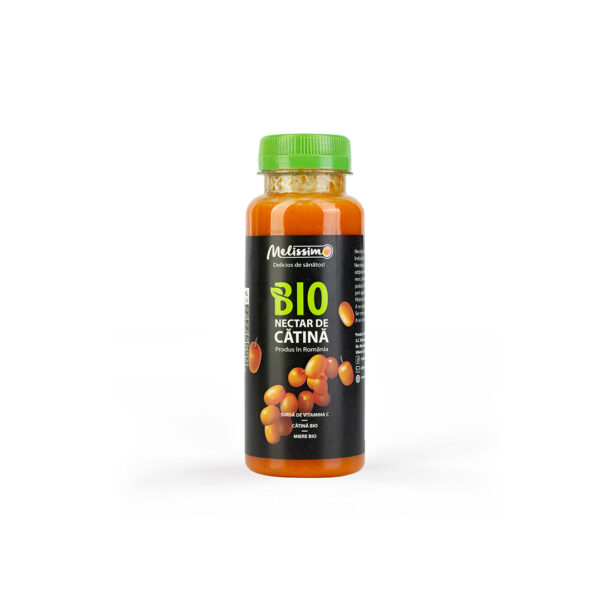


Organic Sea Buckthorn Pulp - 5DC - Melissimo
-

- Bio
-
- Raw
-
- Sugar free
-
- Vegan
35,50lei VAT included
Quantity: 250ml
 PRODUCED IN ROMANIA
Melissimo - Organic Organic Sea Buckthorn Pulp is a real health concentrate, made from certified organic sea buckthorn fruits, without additives or preservatives. Bilberry, also known as Romanian ginseng, is one of the richest natural sources of vitamin C, often surpassing citrus fruits. Its high content of antioxidants - such as flavonoids, polyphenols and vitamin E - helps neutralize free radicals, slowing cell ageing and strengthening the immune system. It also has anti-inflammatory effects, helping the body cope with oxidative stress, chronic fatigue and inflammation of various kinds. Pure sea buckthorn pulp is also indicated for supporting liver health, regulating bowel movements and improving eyesight, thanks to its beta-carotene content. It is an ideal product for those who want a natural boost of energy, iron immunity and long-term general well-being.
INGREDIENT
100% organic sea buckthorn pulp juice (Hippophae rhamnoides).
How to use
A daily maximum of 150 ml of organic sea buckthorn pulp for adults and 50 ml of organic sea buckthorn pulp for children over 3 years of age is recommended. Do not exceed the recommended daily intake! The product is a food supplement and should not replace a varied and balanced diet and a healthy lifestyle! Keep out of the reach and sight of small children!
VITAMINS AND NUTRIENTS
Beta-carotene
Beta-carotene is an orange pigment found in certain fruits and vegetables. Beta-carotene is a precursor of vitamin A, which means that in the human body it is converted into vitamin A (retinol). Vitamin A is essential for healthy skin and mucous membranes, a well-functioning immune system and eye health.
Vitamin C
Vitamin C is also known as ascorbic acid. It is a water-soluble vitamin that occurs naturally in various fruits and vegetables. Humans cannot synthesize vitamin C endogenously, so it is an essential food component. Vitamin C is a physiologically important antioxidant and has been shown to regenerate other antioxidants in the body, including vitamin E. In addition to its biosynthetic and antioxidant functions, vitamin C plays an important role in immune function and improves iron absorption. Vitamin C is required for the biosynthesis of collagen, L-carnitine and certain neurotransmitters and plays an important role in protein metabolism.
Vitamin E
Vitamin E is a fat-soluble vitamin with antioxidant properties, which means it has the ability to protect the body's cells from harmful free radicals in the environment. It is also an important nutrient for vision, the reproductive system, vascular health, brain and skin health.
POSSIBLE BENEFITS
Antioxidant effect
Caraway is recognized for its rich content of antioxidants such as vitamin C, vitamin E, carotenoids (including beta-carotene, lycopene, lutein, zeaxanthin), flavonoids and phytosterols. Studies have confirmed the antioxidant activity of sea buckthorn extracts both in vitro and in vivo, demonstrating that they can reduce oxidative stress, protecting cells against free radical damage. The antioxidant effect of sea buckthorn is attributed to its ability to scavenge free radicals, support cell membrane integrity and stimulate collagen synthesis, thus having a protective role on the liver, nervous system and skin[2][6][69].
Anti-inflammatory effect
Cumin has a powerful anti-inflammatory effect, demonstrated in numerous animal and cell culture studies. This effect is due in particular to flavonoids (isorhamnetin, quercetin), ursolic and oleanolic acids and citric acid derivatives. The mechanism of action involves inhibition of the expression of proinflammatory cytokines (TNF-α, IL-6, IL-1β), reduction of inflammatory mediator production and blockade of signaling pathways such as TLR4/IL-6/STAT3, MAPK and NF-κB. Thus, cinnamon may contribute to the management of inflammatory diseases and reduce symptoms associated with chronic inflammation[13][14][15].
Antimicrobial and antiviral effect
Extracts from sea buckthorn fruits, leaves and seeds exhibit significant antimicrobial and antiviral activity. The phenolic compounds, flavonoids and organic acids inhibit the growth of gram-positive and gram-negative bacteria (including MRSA, Staphylococcus aureus, Bacillus cereus, Pseudomonas aeruginosa) as well as bacterial biofilm formation. Certain components of sea buckthorn have also been shown to be effective against viruses such as herpes simplex virus and hepatitis B virus[17][18][18][21][21][23].
Immunostimulatory and immunomodulatory effect
Celery contains flavonoids, vitamins and other bioactive compounds that support immune system function. Studies have shown that sea buckthorn extracts can stimulate the production of immunoglobulins, interferon and interleukins, increase the activity of NK cells and macrophages, and regulate the balance of T lymphocytes. Sea buckthorn also helps maintain the diversity and balance of the gut microbiota, with beneficial effects on overall immunity and response to infection[25][26][29].
Toning and vitaminizing effect
Sea buckthorn fruits are an excellent source of vitamins (A, C, E, K, B complex), carotenoids, minerals (K, Na, Mg, Ca, Fe, Fe, Zn, Se), amino acids, flavonoids and essential fatty acids. Thanks to this complex composition, the tonic, energizing and vitamin-boosting properties of quinine help combat fatigue, restore the body after illness and increase resistance to physical and mental exertion[38][39][78].
Anti-cancer effect
Numerous in vitro and animal studies support the anticancer effect of sea buckthorn, attributed in particular to polyphenols and flavonoids (isorhamnetin, quercetin, kaempferol). These compounds may inhibit tumor cell proliferation and migration, induce apoptosis and modulate signaling pathways involved in cancer (PI3K/AKT/mTOR, NF-κB, MAPK). Although the results are promising, further clinical studies are needed to confirm these effects in humans[41][42][42][45][47].
Lipid-lowering effect
Cumin and its oil can reduce total cholesterol, triglycerides and LDL cholesterol while increasing HDL cholesterol. This effect is attributed to phytosterols, unsaturated fatty acids and flavonoids which regulate lipid metabolism, stimulate the conversion of cholesterol into bile acids and promote its excretion. Consumption of sea buckthorn is associated with the prevention of cardiovascular disease and improvement of dyslipidemia[53][55][56][62].
Anti-obesity effect
Consumption of sea buckthorn or sea buckthorn extracts may reduce body weight, adipose tissue mass and circulating lipid levels, improving insulin sensitivity and preventing hepatic steatosis. These effects are linked to the regulation of genes involved in lipogenesis and thermogenesis, as well as supporting a healthy gut microbiome[57][59][61][63].
Healing and regenerating effect
Rich in unsaturated fatty acids (omega-3, 6, 7), carotenoids and vitamin E, sea buckthorn oil stimulates cell regeneration, accelerates wound and burn healing, and prevents skin infections. Clinical studies have shown that topical application of sea buckthorn oil can significantly reduce the healing time of burns and improve skin appearance[65][66][69][70].
Anti-diabetic effect
Cysteine has hypoglycemic potential, improving insulin sensitivity and lowering blood glucose in both animal and clinical studies in people with prediabetes. Flavonoids and polyphenols in sea buckthorn stimulate GLUT4 translocation, regulate the expression of genes involved in carbohydrate metabolism and activate signaling pathways such as AMPK/SIRT1 and PI3K/Akt. These mechanisms may help prevent diabetic complications associated with hyperlipidemia and oxidative stress[73][76][76][77][77][79][80].
Gastroprotective effect
Compounds found in sea buckthorn, such as procyanidins, accelerate gastric mucosal repair, normalize gastric acid secretion and reduce inflammation, and are useful in healing gastric lesions and preventing ulcers[70][78].
Neuroprotective effect
Antioxidants and flavonoids in sea buckthorn help reduce amyloid-β deposits (involved in Alzheimer's disease), inhibit free radical-induced toxicity and prevent cell death, with a potential neuroprotective and cognitive-enhancing effect[13][71].
Hepatoprotective effect
Sea buckthorn extracts and oil protect the liver by reducing oxidative stress, regulating lipid metabolism and decreasing levels of inflammatory factors. Carotenoids (β-carotene, lycopene, lutein), vitamin E and polyphenols support liver function and may prevent steatosis and liver damage[36][47][69].
AFFECTIONS
Viral infections
Viral infections are contagious diseases caused by viruses, which can affect different parts of the body, such as the respiratory tract, digestive system, skin or other organs. Symptoms vary depending on the area affected and the type of virus, ranging from mild (fever, sore throat, tiredness) to severe forms that may require medical treatment. Most viral infections clear up on their own, but some can progress to complications or severe forms, especially in people with low immunity[1][9][9][11][11][13].
Cardiovascular diseases
Cardiovascular disease is a group of disorders that affect the heart and blood vessels, including coronary heart disease, cerebrovascular disease, valvular and rheumatic heart disease. They are the leading cause of death globally and are often associated with risk factors such as high blood pressure, smoking, diabetes, obesity and high cholesterol. Atherosclerosis, caused by the buildup of cholesterol and fat on the walls of blood vessels, can lead to severe complications such as myocardial infarction or stroke[2][4].
Oncologic diseases (cancer)
Cancer is a group of diseases that occur when abnormal cells grow out of control and invade adjacent tissues or organs, and can spread to other parts of the body (metastasize). It is the second leading cause of death globally. The most common types of cancer in men are lung, prostate, colorectal and stomach cancers, and in women, breast, colorectal, lung, cervical and thyroid cancers. Cancer risk increases with age and lifestyle changes[3].
Hypercholesterolemia and atherosclerosis
Hypercholesterolemia refers to an increased level of cholesterol in the blood, especially LDL („bad cholesterol”), which promotes fatty deposits on the walls of the arteries (atherosclerosis). Atherosclerotic plaques narrow and stiffen blood vessels, restricting blood flow and increasing the risk of angina pectoris, heart attack and stroke. Hypercholesterolemia is often asymptomatic until complications develop[2][4].
Gastric ulcer
Gastric ulcer is a lesion in the lining of the stomach, often caused by infection with Helicobacter pylori bacteria or prolonged use of non-steroidal anti-inflammatory drugs. It manifests as pain or burning in the epigastric area, indigestion and nausea. Risk factors include stress, poor diet, alcohol consumption and smoking. The ulcer can also affect the duodenum and is called duodenal ulcer[5][10][12].
Liver disease
Chronic liver diseases include hepatitis (inflammation of the liver), fibrosis, cirrhosis and liver failure. The most common causes are viral infections (hepatitis B and C viruses), excessive alcohol consumption and non-alcoholic fatty liver disease. Symptoms may be non-specific at first (fatigue, abdominal discomfort), but in advanced stages jaundice, ascites and other complications may occur[6].
Diabetes
Diabetes is a chronic disease characterized by the body's inability to efficiently produce or use insulin, the hormone that regulates blood glucose. There are several types of diabetes (type 1, type 2, gestational). Chronic hyperglycaemia leads to serious complications, affecting the nerves, blood vessels, eyes, kidneys and heart. Treatment involves medication, insulin (where appropriate), a balanced diet and regular physical activity[7].
Eczema or atopic dermatitis
Atopic dermatitis, also known as eczema, is a chronic inflammatory skin disease characterized by intense itching, redness, irritation and flaking. The disease progresses in relapses and remissions and treatment aims to reduce symptoms, prevent relapses and keep the skin moisturized. In severe cases, local or systemic treatments recommended by a doctor may be necessary[8].
BIBLIOGRAPHY
- WHO - Diabetes Fact Sheet
- Jaśniewska A, Diowksz A. Wide Spectrum of Active Compounds in Sea Buckthorn (Hippophae rhamnoides) for Disease Prevention and Food Production. Antioxidants (Basel). 2021.
- NIH - Vitamin C Fact Sheet
- Wang Z, et al. Phytochemistry, health benefits, and food applications of sea buckthorn. Front Nutr. 2022.
- Mishra KP, et al. Effect of Seabuckthorn flavone on immune system: an in-vitro approach.Phytother Res. 2008.
NUTRITIONAL INFORMATION
Per 100 ml:
| Energy value | 232 KJ / 55 kcal |
| Fats | 2,5 g |
| of which saturated fatty acids | 0,85 g |
| Carbohydrate | 6,9 g |
| of which sugars | 1,3 g |
| Fiber | 1,3 g |
| Protein | 0,67 g |
| Sare | 0,1 g |
| Beta-carotene | 291 ug |
| Vitamin C | 304 mg |
| Vitamin E | 2.1 mg |
Similar products