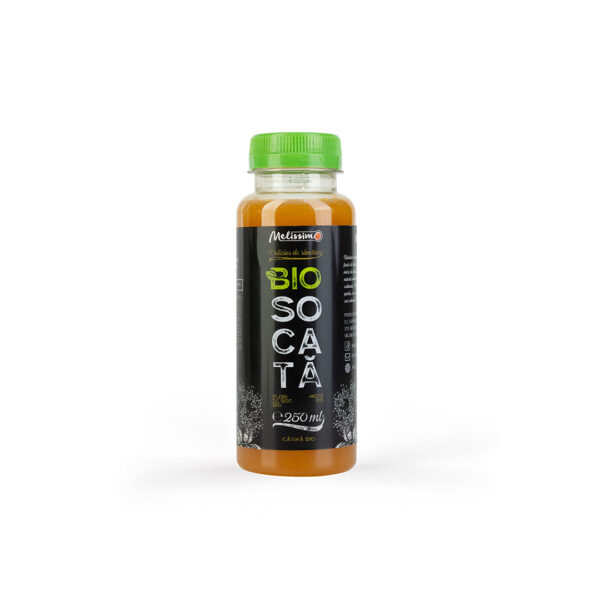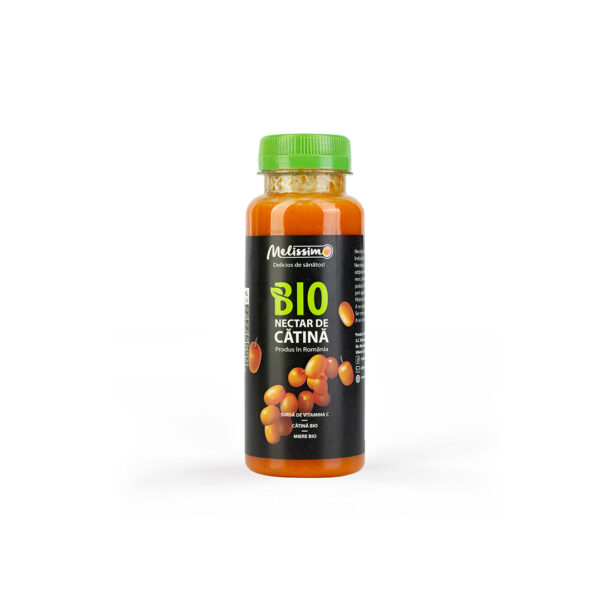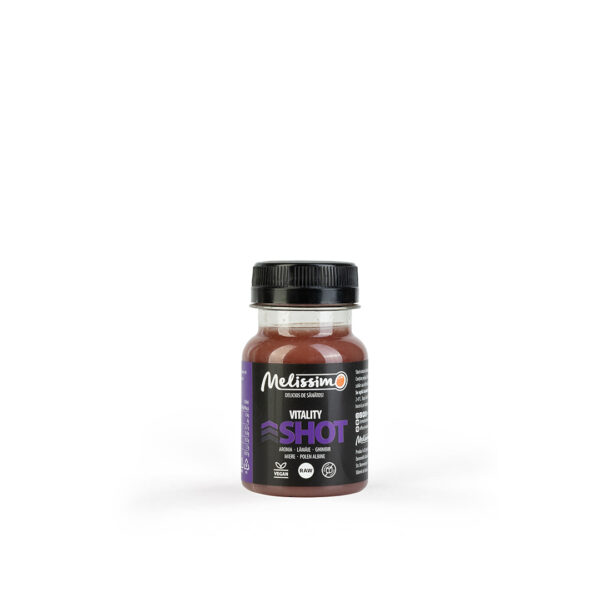


Melissimo Lemonade with Elderberry
-

- Raw
-
- Sugar free
-
- Vegan
13,85lei VAT included
Quantity: 400ml
 PRODUCED IN ROMANIA
This natural lemonade combines lemon juice with elderflower to create a tasty and healthy combination. Elderflower is recognized for its expectorant, antiviral and detoxifying effects, while lemon provides extra vitamin C to boost immunity. It is ideal in the cold season to prevent colds, but also in summer as a moisturizing and comforting drink. With no additives, colorings or preservatives, Melissimo Lemonade with Elderflower is an ideal companion for an active and healthy life.
INGREDIENT
Lemon juice (Citrus limon) 15%
Honey 10%
Sea buckthorn nectar (Hippophae rhamnoides) 1%
Water 67%
Elderflower syrup (Sambucus nigra) 13%
VITAMINS AND NUTRIENTS
Bee honey
Bee honey contains compounds such as proteins, vitamins, amino acids, minerals and organic acids. Pure honey is rich in flavonoids, polyphenols, alkaloids, glycosides, anthraquinone and volatile compounds. Fructose and glucose are the most important sugars in honey and may contribute to its nutritional and physical effects.
All water-soluble vitamins exist in honey, with vitamin C being the most commonly identified. About 31 minerals have been found in honey, such as phosphorus, sodium, calcium, calcium, potassium, sulphur, magnesium and chlorine. There are also about 600 volatile components in honey that contribute to its potential biomedical effects.
Flavonoids and polyphenols, which act as antioxidants, are the main bioactive molecules present in honey. Studies have demonstrated the presence of almost thirty types of polyphenols in honey. The existence and levels of these polyphenols in honey can vary depending on the floral source and climatic and geographical conditions.
Honey's ingredients have antioxidant, antimicrobial, anti-inflammatory, antiproliferative, anticarcinogenic and antimetastatic effects.
Sea Buckthorn
Cumin contains the following vitamins and nutrients:
Total carotenoids
Carotenoids are yellow, orange or red pigments synthesized by plants. Carotenoids commonly found in nature are alpha-carotene, beta-carotene, beta-cryptoxanthin, lutein, zeaxanthin and lycopene. The antioxidant activity of carotenoids is very important and may reduce the risk of developing chronic degenerative diseases.
Beta-carotene
Beta-carotene is an orange pigment found in certain fruits and vegetables. Beta-carotene is a precursor of vitamin A, which means that in the human body it is converted into vitamin A (retinol). Vitamin A is essential for healthy skin and mucous membranes, a well-functioning immune system and eye health.
Licopen
Lycopene belongs to the group of carotenoids. It is recognized as a powerful antioxidant. Lycopene has been found to be effective in reducing the risk of cancer, diabetes mellitus, cardiac complications, oxidative stress-mediated dysfunction, inflammatory events, bone and skin diseases, liver, neuronal and reproductive disorders.
Lutein
Lutein is a carotenoid with anti-inflammatory properties. Lutein has a number of beneficial effects, particularly on eye health, improving or decreasing the risk of developing age-related macular diseases, which are the main causes of blindness and visual impairment. Furthermore, many studies have reported that lutein may also have positive effects in various conditions, improving cognitive function, lowering the risk of cancer and improving cardiovascular health.
Vitamin C
Vitamin C is also known as ascorbic acid. It is a water-soluble vitamin that occurs naturally in various fruits and vegetables. The human body cannot synthesize vitamin C endogenously, so it is an essential dietary component obtained exclusively from food. In addition to its function in the biosynthesis of certain compounds and its antioxidant properties, vitamin C plays an important role in immune function and improves iron absorption. Vitamin C is required for the biosynthesis of collagen, L-carnitine and certain neurotransmitters and plays an important role in protein metabolism. Vitamin C is a physiologically important antioxidant and has been shown to regenerate other antioxidants in the body, including vitamin E.
Vitamin E
Vitamin E is a fat-soluble vitamin with antioxidant properties, which means it has the ability to protect the body's cells from harmful free radicals in the environment. It is also an important nutrient for vision, the reproductive system, vascular health, brain and skin health.
Vitamin K
Vitamin K is an essential nutrient for the human body. Vitamin K is important for blood clotting and bone health, wound healing, but it is also involved in other body functions.
Calcium
Calcium is an essential mineral for healthy bones and teeth, with most of the body's calcium being stored in them. Calcium is also important for the muscular and nervous system, for the health of the cardiovascular system and in the synthesis of hormones involved in many functions of the human body.
Omega-3
Omega-3 is a group of essential fatty acids that play important roles in the human body. The most important omega-3 fatty acids are: ALA (alpha-linolenic acid), DHA (docosahexaenoic acid) and EPA (eicosapentaenoic acid). Sufficient intake of omega-3 acids can help normal fetal development, protect eye health, contribute to cardiovascular health, reduce inflammation and improve mental health.
Omega-6
Omega-6 fatty acids, such as gamma-linolenic acid, are a group of essential unsaturated fatty acids. Omega-6 fatty acids are important for the normal growth and development of the body. The human body requires a healthy balance between omega-6 fatty acids and omega-3 fatty acids.
Omega-7
Omega-7 (palmitoleic acid) is a monounsaturated fatty acid. Omega-7 may be effective in managing metabolic disorders and improving skin quality.
Omega-9
Omega-9 is a group of non-essential, unsaturated fatty acids. They have benefits in reducing the risk of cardiovascular disease, improving depressive symptoms and cognitive function.
Phytosterols
Consuming plant sterols can reduce plasma cholesterol in humans. Lowering cholesterol is important for the prevention and management of coronary heart disease.
Amino acids
Sea buckthorn contains 18 of the 22 known amino acids. They are involved in important processes in the human body, such as energy production, tissue formation and fat metabolism, as well as in the proper functioning of the brain.
Lemon juice
Lemon juice contains flavonoids such as hesperidin, carotenoids such as beta-carotene, zeaxanthin and lutein, and vitamin C.
Flavonoid
Citrus flavonoids may help reduce the risk or delay the onset of cardiovascular disease, cancer, osteoporosis, diabetes and neurodegenerative diseases. Hesperidin is a type of flavonoid with important pharmacological effects such as free radical neutralization and anti-inflammatory effect.
Beta-carotene
Beta-carotene is an orange pigment found in certain fruits and vegetables. Beta-carotene is a precursor of vitamin A, which means that in the human body it is converted into vitamin A (retinol). Vitamin A is essential for healthy skin and mucous membranes, a well-functioning immune system and eye health.
Zeaxanthin
Zeaxanthin is a carotenoid that has a number of beneficial effects for human health due to its ability to exert antioxidant effects as well as reduce inflammation. Zeaxanthin has been shown to have protective effects on the eyes by preventing age-related macular degeneration and protecting against UV radiation.
Lutein
Lutein is a carotenoid with anti-inflammatory properties. Lutein has a number of beneficial effects, particularly on eye health, by improving or decreasing the risk of developing age-related macular diseases, which are the main causes of blindness and visual impairment. Lutein may also have positive effects in various conditions, improving cognitive function, lowering the risk of cancer and improving cardiovascular health.
Vitamin C
Vitamin C is also known as ascorbic acid. It is a water-soluble vitamin that occurs naturally in various fruits and vegetables. The human body cannot synthesize vitamin C endogenously, so it is an essential dietary component obtained exclusively from food. In addition to its function in the biosynthesis of certain compounds and its antioxidant properties, vitamin C plays an important role in immune function and improves iron absorption. Vitamin C is required for the biosynthesis of collagen, L-carnitine and certain neurotransmitters and plays an important role in protein metabolism. Vitamin C is a physiologically important antioxidant and has been shown to regenerate other antioxidants in the body, including vitamin E.
El elderflower syrup
The main active substances of elderflowers are flavonoids, phenolic acids and their glycosides (caffeic, ferulic, chlorogenic and p-coumaric acids), triterpenes (a- and b-amyrin and ursolic acid), sterols (b-sitosterol, campesterol and stigmasterol) and essential oil.
POSSIBLE BENEFITS
Sea Buckthorn
Antioxidant effect
Many studies have confirmed the antioxidant activity of sea buckthorn compounds. Nutrients present in sea buckthorn have been shown to lower blood cholesterol levels and reduce inflammation and oxidative stress parameters. Bil Bilberry can be used as a natural source of antioxidants for the prevention and management of oxidative stress-related diseases.
Anti-inflammatory effect
The anti-inflammatory activity of sea buckthorn can be attributed to ursolic acid, oleanolic acid, citric acid derivatives and flavonoids. Its anti-inflammatory mechanism of action may be related to the inhibition of proinflammatory cytokines and a reduction in the production of proinflammatory mediators. Cumin has shown promise as a source of bioactive compounds used for the management of inflammatory diseases.
Antimicrobial and antiviral effect
Extract from sea buckthorn pulp may have bactericidal effects on some periodontal pathogens and may inhibit bacterial biofilm formation. Phenolic compounds in sea buckthorn fruit appear to inhibit the growth of gram-negative bacteria. It also shows significant antiviral activity.
Immunostimulatory and immunomodulatory effect
Flavones in sea buckthorn fruit may modulate the production and levels of several signaling molecules associated with immune function and inflammation. The vitamins and antioxidants contained may provide important immune support.
Toning and vitaminizing effect
Sea buckthorn fruit contains vitamins A and C, alpha-tocopherol, large amounts of carotenoids and vitamin E, minerals (K, Na, Mg, Ca, Fe, Zn, Se), monosaccharides, amino acids, flavonoids, fatty acids, glycerophospholipids, phytosterols, zeaxanthin esters, polyphenolic compounds. Vitamin C is one of the major vitamins contained in sea buckthorn. Thanks to its rich vitamin and nutrient content, sea buckthorn can exert a toning and invigorating effect on the body.
Anti-cancer effect
Numerous studies support the anti-cancer effect of sea buckthorn and suggest that certain polyphenolic compounds may be responsible for this effect.
Lipid-lowering effect
Hypercholesterolemia is an important risk factor for cardiovascular disease. The phytosterols present in sea buckthorn pulp play an important role in the prevention of cardiovascular disease, in particular in the prevention of hypercholesterolemia. Supplementation with fruit or extract of sea buckthorn fruit significantly improves total cholesterol, triglycerides, LDL-cholesterol („bad cholesterol”) and HDL-cholesterol („good cholesterol”) levels in people with dyslipidemia.
Anti-obesity effect
Oil from sea buckthorn fruit, also present in the pulp, may reduce obesity caused by hyperlipidemia. Also, powder obtained from sea buckthorn fruit may reduce obesity by altering the composition and structure of the gut microbiome.
Healing and regenerating effect
Sea buckthorn fruit and seed oil, also present in the pulp, contains high levels of unsaturated fatty acids (omega-3, 6, 7), natural antioxidants, vitamins (E, K), carotenoids and phytosterols. All these substances protect cell membranes and stimulate cell regeneration. Palmitoleic acid is a component used in the treatment of burns and wound healing. Sea buckthorn oil also has protective effects and can relieve various types of gastric ulcers, chronic cervicitis and atopic dermatitis.
Anti-diabetic effect
The potential hypoglycaemic, triglyceride-lowering and antioxidant effects of sea buckthorn-based supplements indicate that sea buckthorn products could be useful for preventing diabetic complications associated with dyslipidaemia and oxidative stress.
Gastroprotective effect
Compounds called procyanidins in sea buckthorn play an important role in healing gastric lesions, possibly by accelerating mucosal repair. Compounds present in sea buckthorn fruit normalize gastric acid secretion and reduce inflammation as well as pro-inflammatory factors.
Neuroprotective effect
Quercetin reduces intracellular deposits of beta-amyloid, one of the causes of Alzheimer's disease. This action can be attributed to the high levels of antioxidants present in sea buckthorn. Antioxidants inhibit beta-amyloid-induced toxicity and prevent cell death by exerting a neuroprotective effect. In addition, sea buckthorn improves epileptiform activity in the cerebral cortex and hippocampus and reduces memory impairment. These effects can be attributed to the presence of flavonoids and other antioxidant compounds in sea buckthorn.
Hepatoprotective effect
Sea buckthorn extract and sea buckthorn oil have significant hepatoprotective activities. Sea buckthorn oil is rich in carotenoids and may be an important source of lutein. Carotenoids such as beta-carotene, lycopene, lutein and beta-cryptoxanthin exhibit hepatoprotective activity by reducing oxidative stress and regulating lipid metabolism in hepatocytes. Mechanisms for these effects may be associated with the regulation of lipid metabolism and oxidative stress and a reduction in inflammatory processes.
Lemon juice
Antioxidant effect
Lemons contain several important natural compounds, including phenolic compounds (mainly flavonoids), vitamins, minerals, dietary fiber, essential oils and carotenoids. The antioxidant effects of lemon juice are mainly associated with its vitamin C and flavonoid content.
Cholesterol-lowering and vasoprotective effect
Plant compounds in lemon such as limonin, hesperidin and diosmin may lower cholesterol levels. Citrus flavonoids may also help reduce the risk of ischemic stroke.
Antilitiazic effect
Citric acid can help prevent kidney stones from forming by increasing urine volume and increasing urine pH, creating a less favorable environment for kidney stones to form.
Anti-anemic effect
Lemons contain a small amount of iron, but prevent anemia by improving iron absorption from plant foods. Non-heme iron found in plants is not as easily absorbed in the gut as heme iron found in meat. Lemon juice, due to its vitamin C content, promotes iron absorption from plant sources.
Beneficial for the digestive system
Lemons contain about 10% carbohydrates, mostly soluble fiber and simple sugars. The main fiber in lemons is pectin, a type of soluble fiber. Soluble fiber can improve gut health and slow the digestion of sugars and starches. These effects can lower blood sugar. Lemon juice with pulp also contains fiber and has these benefits.
Bee honey
Antioxidant effect
Honey has the ability to act as a dietary antioxidant. Phenolic substances have been shown to be mainly responsible for the antioxidant activity of honey. Antioxidants help to neutralize reactive oxygen species in the body, which can accumulate in cells and have harmful effects. This damage can contribute to conditions such as premature ageing, type 2 diabetes and heart disease.
Antimicrobial effect
Honey can act as a natural antibacterial, antimicrobial and antifungal agent. It contains hydrogen peroxide and glycosidase and has a low pH, which means it can exert an inhibitory effect on bacteria and fungi.
Anti-inflammatory effect
Chronic inflammation can have harmful effects on the body. Honey reduces the body's inflammatory response. The phenolic content in honey is responsible for the anti-inflammatory effect. These phenolic compounds and flavonoids suppress the pro-inflammatory activity of cyclooxygenase-2 and nitric oxide.
Immunostimulatory and immunomodulatory effect
Honey increases the production of T and B lymphocytes, antibodies, eosinophils, neutrophils, monocytes and natural killer cells during primary and secondary immune responses. Consumption of honey leads to the production of short-chain fatty acid fermenting agents (SCFAs). The immunomodulatory actions of SCFAs have been confirmed in studies, therefore honey may induce the immune response via these compounds. Nigero-oligosaccharides, a type of sugars present in honey, have also been found to exert immunostimulatory effects.
Cough suppressant effect
Honey can work as a natural cough suppressant for children over 1 year of age. Due to its antibacterial and anti-inflammatory properties, it is effective in relieving night cough and other common cold symptoms.
Neuroprotective effect
The antioxidant and anti-inflammatory effects of honey may have a beneficial influence on brain health. Raw honey may even have some benefits on cognitive function. It can boost memory function, provide neuroprotective effects and counteract the effects of oxidative stress on the brain, reduce the risk of developing metabolic syndrome, which can increase the risk of neurodegenerative conditions such as Alzheimer's disease, and improve mood and resilience to stress.
Toning and vitaminizing effect
Honey contains specific nutrients that can make it a healthy and beneficial food for a person's diet. The exact nutrient levels and chemical composition of raw honey are influenced by the types of flowers from which bees collect nectar. But in general, honey contains health-promoting substances such as antioxidants, amino acids and vitamins.
Beneficial for the digestive system
Honey is sometimes used to treat digestive problems such as diarrhea, although research on its effectiveness is limited. Raw honey contains prebiotics, which nourish beneficial gut flora bacteria. A healthy gut microbiome is very important for healthy digestion.
El elderflower syrup
Antioxidant effect
The main active substances of elderflowers are flavonoids, phenolic acids and their glycosides (caffeic, ferulic, chlorogenic and p-coumaric acids), triterpenes (a- and b-amyrin and ursolic acid), sterols (b-sitosterol, campesterol and stigmasterol) and essential oil. These compounds exhibit high antioxidant activity.
Anti-inflammatory effect
Elderflowers contain about 3% triterpene compounds, which have antioxidant and anti-inflammatory properties.
Antiseptic effect
Elder flowers have antiseptic properties, which are mainly due to caffeic acid and chlorogenic acid. According to research on an ethanolic extract of elderflower, it inhibited the growth of five strains of bacteria, including S. aureus, B. subtilis and P. aeruginosa. The flowers, compared to elderberry fruits and leaves, have the greatest ability to inhibit the growth of nosocomial pathogens such as MRSA (methicillin-resistant S. aureus).
Cough suppressant effect
Triterpenes found in elderflowers increase the production and secretion of mucus in the respiratory tract and trigger the cough reflex, helping to clear mucus.
Digestive effect
The chlorogenic acid in elderflower has anti-inflammatory properties, boosts blood glucose levels and has a beneficial effect on the digestive system by stimulating intestinal peristalsis and increasing the secretion of hydrochloric acid and bile.
Diuretic effect
The compounds present in elderflower have a diuretic effect, which means that they help reduce fluid accumulation in the body and increase the elimination of water and certain salts in the urine. The diuretic effect leads to reduced edema and lower blood pressure.
Anti-atherosclerotic effect
Due to the content of bioactive compounds of the polyphenol group, elderflower may be used as an adjuvant in the prevention and treatment of atherosclerosis, as it reduces inflammation occurring in atherosclerotic processes, captures reactive oxygen species present in the blood and prevents their formation.
Anti-diabetic effect
Studies have confirmed that elderflower extracts have anti-diabetic effects, as they stimulate insulin production in the pancreas and prevent a rapid rise in blood glucose levels by slowing its absorption. Triterpenes also play a potential role in preventing diabetic complications as they may reduce the activity of enzymes involved in the development of diabetic kidney disease. Studies have shown that a number of triterpene compounds help to lower glucose levels, as well as reduce LDL-cholesterol and total cholesterol.
Toning and vitaminizing effect
Other active substances in elderflowers include organic acids, tannins, mucus, vitamins A and C and sugars. Of all the sugars identified in elderflower, glucose and fructose make up the vast majority (60-85%). Elderflower also contains minerals (8-9%), with potassium being the dominant mineral.
AFFECTIONS
Viral infections
Viral infections are contagious diseases caused by viruses. There are several types of viral infections, including respiratory infections, gastric infections, herpes infections, skin infections and many others. The symptoms of a viral infection will depend on the part of the body affected and the virus contacted. Most viral infections go away on their own, but some infections can become severe and require treatment.
Cardiovascular diseases
Cardiovascular diseases are a group of disorders that affect the heart and blood vessels. They include coronary heart disease, cerebrovascular disease, rheumatic heart disease and other related conditions. Cardiovascular disease is the leading cause of death globally.
Oncologic diseases (cancer)
Oncologic diseases or cancer is a large group of diseases that can start in almost any organ or tissue of the body when abnormal cells grow out of control and invade adjacent parts or spread to other organs. Cancer is the second leading cause of death globally. Lung, prostate, colorectal, stomach and liver cancers are the most common types of cancer in men, while breast, colorectal, lung, cervical and thyroid cancers are the most common in women.
Hypercholesterolemia and atherosclerosis
Hypercholesterolemia is the term used to define a high level of cholesterol in the blood. Excess cholesterol in the blood forms fatty deposits in the walls of the coronary arteries, the blood vessels that supply blood to the heart. As cholesterol builds up, it causes atherosclerotic plaques to form, which narrow and stiffen the walls of the arteries. This condition is called atherosclerosis. Atherosclerotic plaques can block arteries and limit the amount of oxygen-rich blood that can reach the heart. This increases a person's risk of developing angina pectoris and heart attack.
Gastric ulcer
Gastric ulcer is a lesion that develops in the lining of the stomach. Ulcers can also affect part of the intestine. This type of ulcer is called a duodenal ulcer. Gastric and duodenal ulcers are also called peptic ulcers. Gastric ulcers are pain and burning in the center of the abdomen, indigestion and nausea.
Liver diseases
The term liver disease refers to chronic conditions that affect the liver over time. Viral infections, toxic poisoning and certain metabolic disorders are among the common causes of chronic liver disease. Chronic liver disease progresses in about four stages: hepatitis, liver fibrosis, cirrhosis and eventually liver failure.
Diabetes
Diabetes is a chronic disease that occurs either when the pancreas does not produce enough insulin or when the body cannot use the insulin it does produce efficiently. Insulin is a hormone that regulates blood glucose. Hyperglycemia is a common effect of uncontrolled diabetes and, over time, leads to serious damage to many systems and organs, especially nerves and blood vessels.
Eczema or atopic dermatitis
Atopic dermatitis, also known as eczema, is a chronic disease that causes inflammation, redness and irritation of the skin. Atopic dermatitis causes extreme itching of the skin. Scratching leads to worsening, crusting and flaking. In most cases, there are periods of time when the disease worsens, called relapses, followed by periods when the skin partly or completely improves, called remissions.
Macular degeneration
Macular degeneration is an eye disease that affects central vision. This eye condition is age-related and occurs mostly in people over the age of 50. Macular degeneration affects the macula, the central part of the retina. The retina is at the back of the eye and controls central vision, while peripheral vision is unaffected.
Anemia
Anemia is described as a quantitative reduction in hemoglobin, hematocrit or erythrocyte count. Patients with anemia usually have symptoms such as lethargy, weakness and fatigue. Severe anemia may present with syncope, shortness of breath and reduced exercise tolerance.
Astenie
Asthenia is a broad term describing general tiredness and weakness that causes both physical and mental symptoms.
Constipation
Constipation is characterized by a slow bowel transit, hard stools and infrequent defecation (less than three times a week). Symptoms of constipation may include lumpy, hard or dry stools, a feeling of fullness even after defecation, and straining or straining during defecation.
Kidney stones
Renal lithiasis is a chronic disease characterized by the formation of stones (calculi) in the urinary system. A kidney stone can form when minerals build up in the urinary tract, creating crystals that consolidate into a stone-like mass.
NUTRITIONAL INFORMATION
Per 100 ml:
| Energy value | 176 KJ / 42 Kcal |
| Fats | 0,1 g |
| of which saturated fatty acids | 0 g |
| Carbohydrate | 11 g |
| of which sugars | 9 g |
| Protein | 0,2 g |
| Fiber | 0,1 g |
| Sare | 0 g |
Similar products